YAMAHA R15 V3 VS. R15 V2 [DETAILED COMPARISON]
Few months back, Yamaha R15 V3 was launched in Indonesia while plans for its Indian launch are still on hold due to an unknown reason. It is the most powerful version for this lightweight supersport series as none other variant could even reach the power output that was received in the stock version of Yamaha R15 V3.

In fact, the list of changes on the third version is huge, covering nearly every aspect of the motorcycle after such a long time. As of now, Yamaha has not made any official announcement the launch of R15 Version 3 in India. It might come to India by the end of this year or at 2018 Auto Expo in February next year.
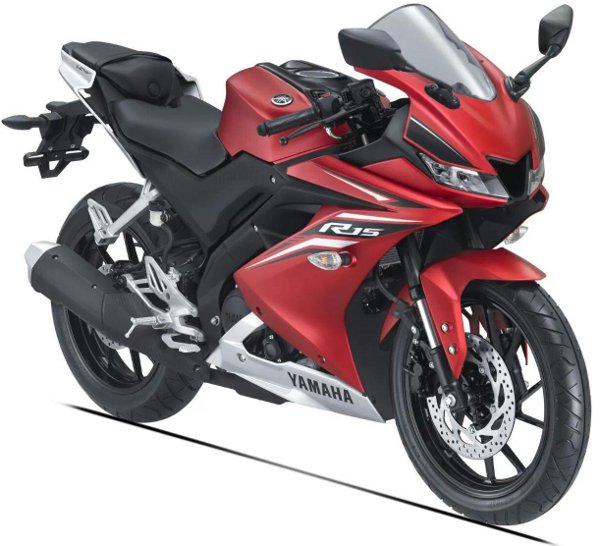
Here are the differences that one would get after detailed comparison of Yamaha R15 V3 with R15 V2:
1) Design: The departure from the design language of R15 Version 2 is pretty clear on all sides. The new motorcycle is highly inspired from flagship Yamaha R1 and race spec R6 as one could see the design elements that are shared between three of them. Yamaha R15 V3 is more upright while R15 V2 is more like the old school race designs that went extinct with the launch of next generation R1. The fuel tank now feels much bigger in size while capacity is still 1 liter less than the original version.
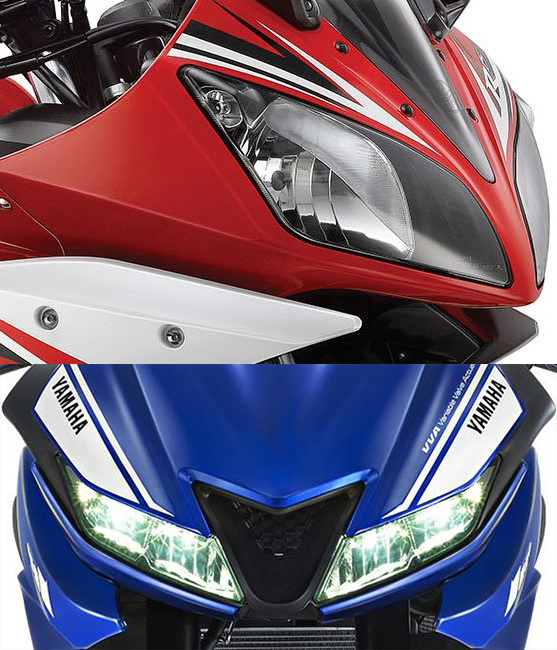
2) Headlight: Here comes the next big thing for Yamaha R15. The third generation motorcycle comes with twin LED headlights when compared to those huge twin halogen units on R15 V2. New head lights are sleek, helping the designers save more space for air channeling and weight reduction. Being LEDs, they have a more powerful overall throw and simultaneously use less power from the battery in their action. The next generation face was even not possible without these headlights as the pointy nose of R15 V2 is now replaced with a mature and aerodynamically more efficient facial expressions.
3) Engine: Yamaha R15 V3 carries the most powerful of all 150cc engines available internationally. The 155.1cc, single cylinder, liquid cooled and fuel injected motor is good for 19.04 BHP at 10,000 rpm and 14.7 Nm at 8,500 rpm. The engine comes mated to a 6-speed gearbox. If compared to the present generation R15 (16.8 BHP and 15 Nm), the values for R15 V3 are highly satisfying. A rider’s personal video has claimed 144 kmph of top speed (as per the speedometer) for the motorcycle while no actual number is available for Yamaha’s side till date.

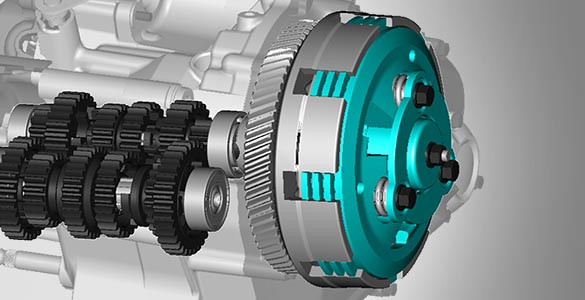
4) Slipper Clutch: The 6-speed gearbox on Yamaha R15 Version 3 is paired to slipper clutch for better on-track performance. The other name for slipper clutch is back torque limiter, briefly explaining the function of this equipment through these three words only.It not just eliminate the effect of engine braking during de-acceleration, the freewheel mechanism helps the rear wheel stay in place and keeps the required traction alive. Whenever the rear wheel tries to push the engine over its own limit, the clutch disengages itself to save the rider as well as motorcycle from the resulting loss.
5) VVA: Yamaha R15 Version 3 is equipped with VVA technology. It stands for Variable Valve Actuation is a technology that select intake cam lobes for low speed and high speed range. A certain rpm is considered as the shifting point (6000 rpm in this case) and that results in linear acceleration on both the ends. That helps the rider enjoy the feel of getting equal ratio of power on both low end and top end of the rev range. If we remove VVA from the setup, one would surely feel the need of riding above a certain rpm limit as most rider of the R15 V3 feel in real world driving conditions.

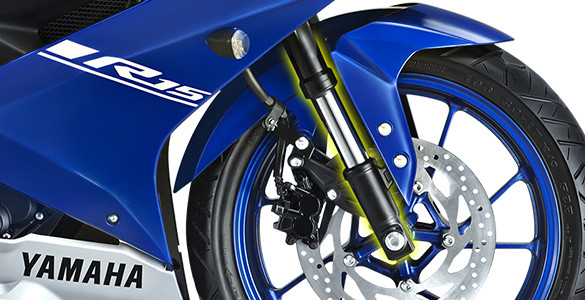
6) Suspension: The 2017 model of Yamaha R15 now uses USD front forks in place of the regular suspension on R15 V3. The benefits of upside down forks include improved handling, longer slider for more reliability and added rigidness to stay alive after hard braking on high capacity motorcycles. USD forks are even lighter & better than conventional forks in all terms. The motorcycle stops when we brake but all of the impact goes right into the suspension as it is the connecting part between the tyre and rest of the body. All of the body weight pushes the suspension to the opposite direction on a bike.
7) Instrument Console: Yamaha R15 V2 has one of the most beautiful console among all bikes in India. Still, it lacks a lot features when compared to arch rivals and that resulted in the use of fully digital instrument console on third generation model. The console on V3 now comes with features like instantaneous mileage, average fuel used, gear shift indicator, digital tachometer and VVA indicator. It is easy to read and has dedicated odometer, trip-meter and a large speed display in the middle. One can see the digital fuel indicator on the extreme right side.

8) Shades: Yamaha R15 V2 is known for its gloss filled shades from its initial days of launch. They have been actively playing with colors from almost one decade as every year, a couple of new shades were found for the motorcycle. This time, Yamaha R15 V3 is carrying 2 Matte and one Gloss shade for its body panels. The Racing Blue come to be gloss finished while Black and Red are two alternates for Matte shade lovers. Indian market may see the entry of all three for the first batch of motorcycles around the festive season.

9) Tyres: Yamaha R15 V3 use better tyres when compared to the present version. The front measures 100/80-17 while rear used on V3 is massive 140/70-17. This adds more traction to R15 as newly developed high performance engine sends much more power to the rear wheel in comparison to the old version. R15 V2 comes with 90/80-17 and 130/70-17 tyres at front and rear respectively. Wider tyre, along with its wider sidewall helps the motorcycle absorb bumps in a better way on R15 V3. The brake, tyre and suspension combination enhances the overall performance of this motorcycle.

10) Brakes: Yamaha is using bigger 282mm front and 240mm rear disc brake on R15 V3. This combination is much more effective than 267mm and 220mm brakes on the V2. The increase in surface area facilitates better braking on the new bike. Unfortunately, the much awaited anti-lock braking system (ABS) is still missing from Yamaha R15 V3. This was one of the most-expected features from the 2017 model of YZF-R15.

11) Dimensions: R15 V3 is 20mm longer, 55mm wider and 65mm taller than the present generation model. The Version 3 has gained 1 kg of additional weight while 15mm of rise in seat height was seen in this transition. Yamaha offer 155 mm of ground clearance on third generation model (V3) while present generation (V2) is good for 160 mm. The fuel tank now measures 11 liters while the use of different design also brings change to the sitting position. The flat top of the fuel tank is inspired from bigger R series motorcycles.

12) Price: Yamaha R15 V2 is priced at INR 1,18,800 while R15S carries a tag of INR 1,15,700. The long list of additions makes the new R15 V3 good for an expected ex-showroom price around INR 1.35-1.40 lakh. It is even possible that Yamaha could manufacture each of the component in India and take the price down to INR 1.30 lakh. Still, no other manufacturer will offer such huge list of features on a 150cc motorcycle. Yamaha is expected to bring R15 V3 to India right before the festive season to enjoy maximum benefits from higher sales number. But nothing has been announced officially till date.


who is online counter blog counter
Comments
Post a Comment